Floral Frame Set: A Designer’s Real-World Embroidery Review
First Impressions: Delicate, Versatile, and Quietly Confident
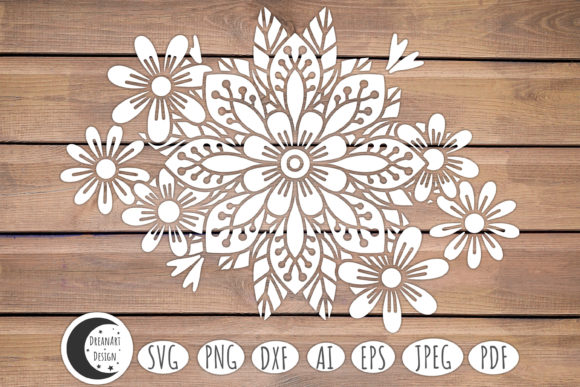
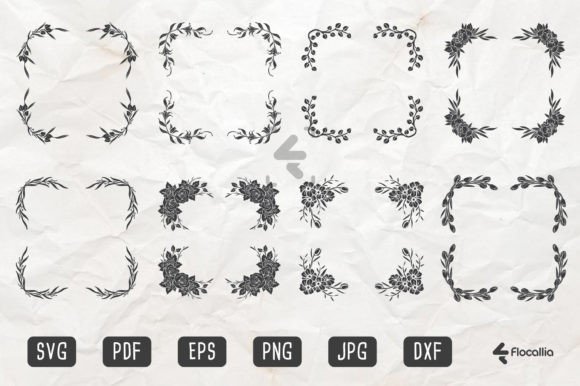
When I opened the Floral Frame Set, what struck me wasn’t flashiness—it was balance. The circle wreath layout feels intentional, not cluttered; the break line suggests thoughtful negative space, not just decorative filler. As a designer who stitches for boutique clients and small-batch product lines, I immediately pictured it on a linen tea towel—soft, grounded, quietly elegant. It’s not overly fussy, which means it won’t compete with fabric texture or overwhelm a simple garment. That matters. A lot.
Where It Shines: Real Projects, Real Customers
Last week, I prepped a custom embroidered tote bag for a local florist’s pop-up—cotton canvas, medium weight, natural undyed tone. I tested Floral Frame Set as a centered chest emblem, scaled to 3.8 inches. The result? Clean satin stitch edges on petals, even fill in the leaf clusters, and no thread nesting in the inner curve. It looked handmade—not machine-made—and that distinction builds trust with buyers who value craft integrity.
I’ve also used it on baby onesies (100% cotton interlock), sweatshirt cuffs, and pillow covers for a nursery-themed Etsy shop. On soft knits, I added light tear-away stabilizer beneath and kept stitch density moderate—no puckering, no distortion. As an embroidery file, it holds up across surfaces: flat (towels, aprons), slightly curved (caps), and layered (patch-backed denim jackets). It’s especially strong as an embroidered patch—clean outer edge, balanced weight, easy to trim and fuse.
Where to Pause—Not Problems, Just Practical Checks
This isn’t a one-size-fits-all embroidery file. On ultra-thin fabrics like silk charmeuse or lightweight rayon, I’d reduce fill stitch density manually or switch some elements to running stitch outlines. On dark fabric, test contrast first—some floral details vanish if thread colors lack enough lift. And on stretchy fabric (think jersey tees), skip the center hoop placement unless you’re using cutaway + topping combo. The wreath’s symmetry helps, but tension still needs support.
The “break line” feature is smart—but only if your machine handles jump stitches cleanly. I’ve seen it misread on older embroidery machines during auto-trim sequences, so always preview the stitch path in your software. Also, avoid scaling below 2.5 inches without checking small petal tips and stem junctions—they can collapse into blobs on dense fill. Not a flaw in the design, just physics meeting thread.
Design Personality Meets Product Purpose
Floral Frame Set doesn’t scream “wedding” or “baby shower”—it whispers “thoughtful.” That makes it ideal for small shop products where brand voice leans warm, minimal, and human-scaled. Think: ceramic mugs with embroidered sleeve wraps, kitchen towels sold alongside herb bundles, or personalized gift sets for new parents (onesie + burp cloth + muslin wrap—all sharing the same wreath motif).
For Etsy sellers, it works double duty: as a finished embroidered patch *and* as a printable mockup asset (thanks to the included PNG and PDF). I’ve used the SVG version to layer it over hand-lettered names in design software—then stitched both together seamlessly. That flexibility elevates perceived value without extra labor.
What This Means for Your Craft Business
As a digital embroidery file, Floral Frame Set supports consistency across product lines—whether you’re selling custom apparel or digital-only design assets. Its clean vector foundation (SVG, EPS) means crisp resizing for large-format applique designs or tiny lapel pins. But here’s the quiet win: customers recognize its restraint. They don’t see “clip art”—they see intention. That translates to higher perceived quality, better photo reviews, and repeat orders from clients who want embroidery that feels like part of the item, not pasted on.
It also plays well with branding. I’ve paired it with neutral thread palettes (oat, sage, slate) on ivory canvas bags—and with high-contrast black-on-cream for holiday kitchen towels. Either way, it reads as cohesive, not generic. That’s rare in floral wreaths.
Designer Notes You’ll Actually Use
- Always test on scrap fabric first—especially with textured weaves or blends. What looks sharp on screen may blur when stitched.
- Check thread color contrast before stitching on dark or busy prints. Try matte vs. glossy threads—the finish changes how delicate details read.
- Review stitch density in your embroidery software. If the inner wreath feels too heavy, reduce fill by 10–15%.
- Confirm hoop size compatibility. The circle wreath fits comfortably in a 4×4 hoop at standard scale—but verify before hooping expensive fabric.
- Inspect small corners and petal tips in your software’s zoom view. Look for stray nodes or overlapping paths that could cause stitching hiccups.
- Test in black-and-white mockups—this reveals hierarchy and legibility faster than color.
- Use proper stabilizer: light cutaway for knits, tear-away for stable wovens, and topping for napped fabrics like terry cloth.
- Confirm licensing terms before selling finished items or bundling the files. Since this set includes SVG, DXF, PDF, PNG, JPG, and EPS, clarify commercial use rights—especially for digital product sellers.
Final Thought: A Wreath That Holds Space
Good embroidery design doesn’t shout. It settles in. Floral Frame Set does exactly that—it frames without dominating, decorates without distracting, and elevates without overcomplicating. Whether you’re stitching a single personalized gift or building a cohesive line of handmade products, it gives you room to breathe, to choose wisely, and to deliver something that feels both intentional and effortless. That’s not just craft. That’s confidence—stitched in.