Wreath Monogram: A Thoughtful Embroidery Design Review
Let’s say you’re stitching a set of linen tea towels for a local boutique—soft, earthy, and meant to feel handmade but polished. You reach for Wreath Monogram, drawn in by its quiet elegance: a circular floral frame wrapping a clean, centered letter. It’s not fussy. Not overly botanical. Not too modern or too vintage. It just… fits. That’s the first sign this isn’t just another digital graphic—it’s a design with intention.
First Impressions: Mood, Shape, and Natural Fit
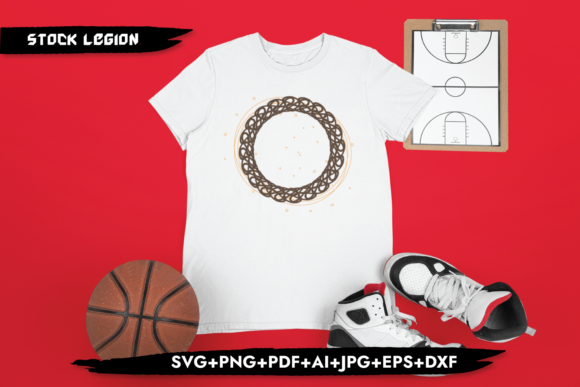
The Wreath Monogram lands with gentle confidence. Its circular layout creates instant balance—ideal for center-chest embroidery on tees, front-panel placement on tote bags, or focal-point positioning on pillow covers and baby onesies. The floral elements aren’t hyper-detailed vines or thorny stems; they’re simplified, smooth curves that suggest nature without demanding precision. That matters. In machine embroidery, overworked botanicals often collapse into muddy fill stitch or require excessive underlay—and that’s where many monogram designs fail.
This one breathes. There’s generous negative space between petals and leaves, which translates directly to cleaner stitch-outs, especially on lightweight fabrics like cotton voile or jersey. As a designer who regularly tests files on everything from stretchy baby knit to stiff canvas aprons, I appreciate how the shape avoids sharp interior corners or micro-details that snag thread or distort on curved surfaces like caps or mugs.
Where It Shines: Real Projects, Real Results
I ran Wreath Monogram on three real-world items: a medium-weight organic cotton sweatshirt (for a small-batch holiday gift line), a 100% linen kitchen towel (for a craft fair booth), and a twill patch sewn onto a denim apron (for a local café’s staff branding). In each case, it held up—not just technically, but emotionally.
- Custom apparel: On the sweatshirt, the wreath softened the garment’s sporty edge while keeping it gender-neutral and ageless—perfect for Etsy sellers offering personalized gifts without leaning into cliché.
- Tote bag design: Centered on a natural canvas tote, it read as intentional, not decorative filler. Customers paused longer at that display than at busier graphics—proof that restraint builds recognition.
- Baby embroidery: Stitched in pale mint and ivory thread on a bamboo-blend onesie, the wreath felt tender but not saccharine. No tiny stamens or fragile stems to unravel after washing.
It also works beautifully as an applique design—the outer ring gives clear seam allowance guidance, and the inner monogram area stays open for fabric or contrasting thread. That flexibility makes it valuable across product types: embroidered patch, holiday embroidery, nursery decor, even wedding guest towels.
Where to Proceed With Care
Like any thoughtful design, Wreath Monogram has boundaries—and respecting them is what separates a lovely mockup from a trusted finished product.
Avoid using it below 4 inches in diameter on textured or highly stretchy fabric. The wreath’s continuity depends on consistent tension, and fine knits or terry cloth can blur the definition between leaf and stem. On dark fabric, test your thread colors early—especially if using pastels. The PDF and PNG files included are great for planning, but nothing replaces a physical stitch-out on your exact fabric + stabilizer combo.
Also note: while the SVG and PNG files make it easy to resize for printables or digital previews, this is first and foremost a machine embroidery design. Don’t assume the same file will translate cleanly to heat-transfer vinyl or sublimation without adjusting line weight and spacing. And if you're selling finished items commercially, verify licensing terms—some versions allow small-batch use, others require extended commercial rights.
Design Notes Every Embroidery Professional Should Check
Before committing to Wreath Monogram in your next batch, run through these practical checks:
- Test on scrap fabric first—especially if using a new stabilizer or thread brand.
- Review stitch density in your embroidery software. If it’s dense in the wreath’s outer band, consider reducing density slightly for lightweight garments.
- Confirm hoop size compatibility. Though marketed as “6×6”, verify actual design dimensions in your editing software—some files include extra buffer space.
- Inspect small details at 200% zoom: Are petal tips crisp? Does the monogram letter have enough kerning to avoid thread buildup?
- Try black-and-white mockups before choosing final thread colors—this reveals contrast issues invisible on screen.
- Use proper stabilizer: Tear-away for stable wovens, cut-away for knits, and mesh for caps or curved surfaces.
- Compare light and dark fabric backgrounds—not just for visibility, but for perceived delicacy. A soft wreath can look washed out on heather grey unless thread is richly saturated.
Why This Fits Small Businesses—and Why It Builds Trust
As an Etsy seller or small shop owner, you know customers don’t just buy monograms—they buy meaning. A well-executed Wreath Monogram says “I paid attention” before the first stitch. It signals care in curation, not just convenience in download.
That impression lifts perceived value. A $32 embroidered pillow cover feels like a keepsake when the wreath sits evenly, the letter is legible at arm’s length, and no stray threads mar the back. That consistency builds repeat buyers—and referrals.
For craft business owners building a cohesive brand, this design scales quietly: use it on packaging tags, social media banners (via the PNG), or printable mockups (using the PDF). It doesn’t shout—but it lingers. And in a crowded market of loud, trend-driven graphics, that’s rare.
Final Thought: A Design That Serves the Project, Not the Other Way Around
Wreath Monogram doesn’t try to be everything. It doesn’t cram in seasonal motifs or trendy fonts. Instead, it offers clarity, calm, and craft-forward structure—exactly what handmade product makers need when balancing beauty with buildability.
If you’re evaluating it for T-Shirt Designs or Graphics-based embroidery projects, ask yourself: does it support the item’s purpose—or distract from it? In my experience, this one supports. Quietly. Confidently. Repeatedly.